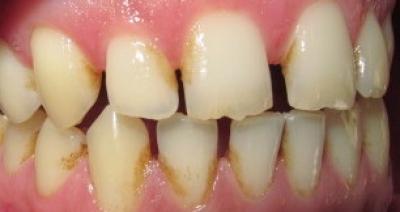
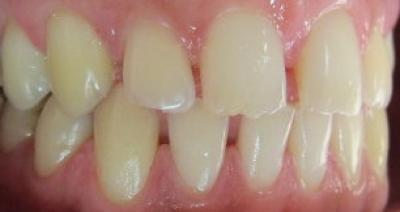
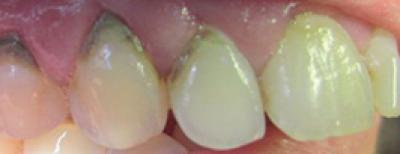
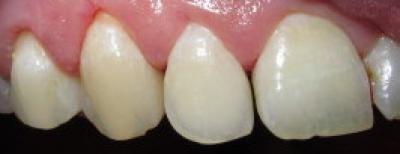
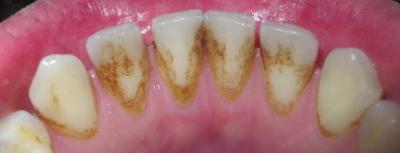
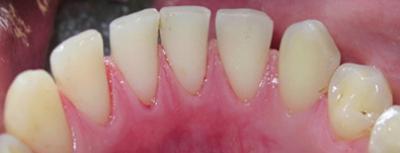
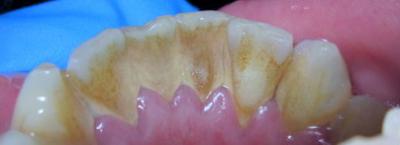
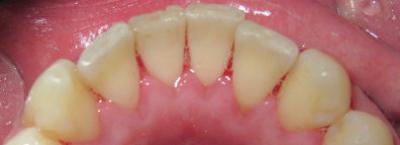
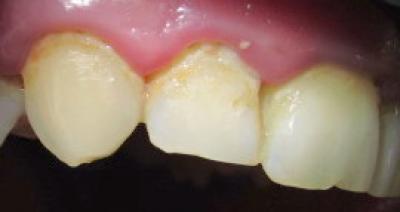
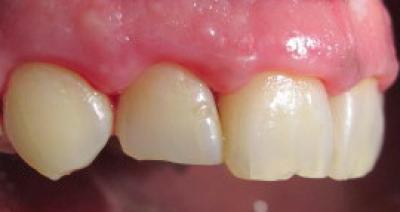
Periodontitis (periodontal disease) is a chronic inflammatory infectious disease, the cause of which are various micro-organisms. If no timely measures are taken, the result is gradual melting of the bone around the teeth, resulting in their stripping, shaking and loss. Signs of a periodontal problem can be:
Pain in the oral cavity, whose location is difficult to determine.
Bleeding of gums when toothbrushing or even food bite.
Formation of empty spaces (triangles) between the teeth, increasing the distances between the teeth.
A feeling that the teeth move
Feeling pain and swelling in the gums.
Gripping gums, teeth are gradually stripped.
Bad breath is a constant companion.
Presence of pus between teeth and gums.
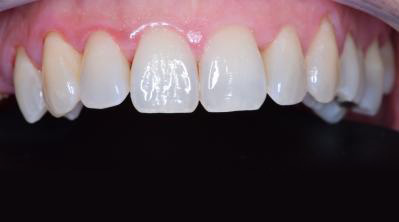
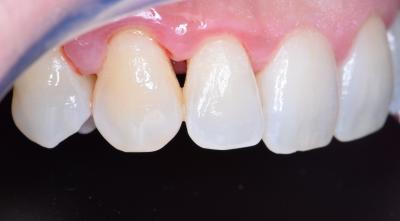
One of the past beliefs about periodontitis was that it was not treated. This is a myth. Because the disease is chronic, the treatment should be continuous. This is necessary to control the inflammation. Once the intensive phase of treatment has passed, the patient is switched to sustained periodontal therapy.